Hardscaping as a Key Component in Outdoor Spaces
When thinking about outdoor spaces, many envision lush greenery and vibrant flowers. However, hardscaping plays a pivotal role in turning these visions into functional landscapes. Hardscaping involves using non-plant elements like stone paths, patios, walls, and decks to enhance the beauty and utility of outdoor areas. This integration not only adds structure but also complements natural features by providing balance and contrast.
Incorporating Stone and Concrete Elements
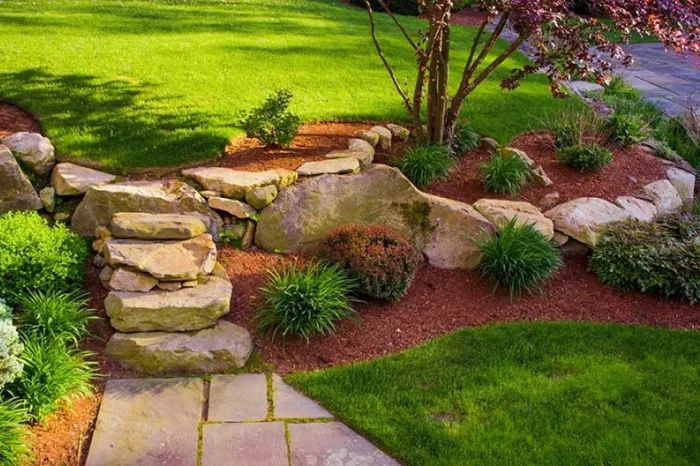
One major aspect of effective landscape design is incorporating stone and concrete elements. These materials provide durability and can withstand various weather conditions. They serve as excellent materials for pathways and retaining walls that prevent soil erosion while adding an aesthetic appeal. By strategically placing these elements, you create a harmonious blend with the surrounding flora.
The Benefits of Strategic Hardscape Planning
Strategically planning your hardscape can transform your outdoor environment significantly. Properly designed hardscape elements contribute to better drainage, reducing water puddles that might damage plants. Moreover, they create designated areas for activities such as dining or relaxation, enhancing the overall functionality of your space without compromising its visual appeal.
Common Challenges in Hardscaping Projects
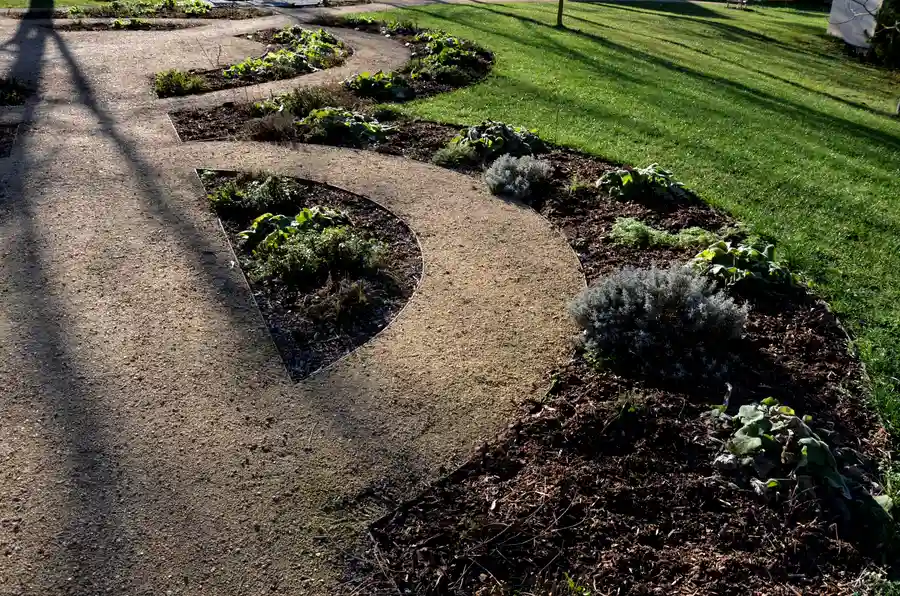
While hardscaping offers numerous benefits, it comes with challenges that require careful consideration. Incorrect placement or choice of materials can lead to issues such as poor drainage or cracking over time. It’s essential to understand the local climate and soil conditions before choosing materials to ensure longevity and effectiveness.
Solutions for Effective Hardscaping
To ensure successful hardscaping, consider consulting with professionals who understand the nuances of creating balanced designs. Here are key steps to follow:
- Start with a detailed plan that outlines all desired hardscape elements
- Select durable materials suited for your climate
- Include proper drainage solutions to manage water flow
- Balance hardscape structures with soft landscaping features like plants and grass
- Regular maintenance checks to address any emerging issues promptly
Best Practices in Hardscaping Design
Adhering to best practices ensures that your hardscaping efforts yield optimal results. Experts recommend integrating layers of different textures to add depth and interest. Additionally, using lighting can highlight features and increase safety during nighttime use. Lastly, ensure that each hardscape element serves a purpose, be it practical or aesthetic.
Considering Costs and Value
The cost of hardscaping varies depending on the complexity of the design and the materials used. While upfront costs may be higher than traditional landscaping, the long-term benefits often justify the investment. Hardscapes provide added value through enhanced usability and increased property value, making them a worthwhile consideration for homeowners looking to improve their outdoor spaces.
Your Next Steps Towards a Stunning Outdoor Space
If you’re considering improving your outdoor space through hardscaping, it’s time to take action. Located in Ontario, OR, I provide specialized services tailored to your landscape needs. Contact me at (541) 709-7671 for more information. With Hernestos Lawncare LLC, you can transform your yard into a stunning extension of your home.