
The Role of Mulch in Safeguarding Your Garden
In recent years, extreme weather conditions have become more frequent, posing significant challenges for gardeners. Heavy rains can lead to soil erosion, while scorching heatwaves dehydrate plants quickly. One effective way to mitigate these effects is by using mulch. It acts as a protective layer on the soil surface, helping maintain consistent moisture and regulating temperature. Understanding how mulch functions can help you prepare your garden for unpredictable weather patterns.
Enhancing Soil Moisture Retention
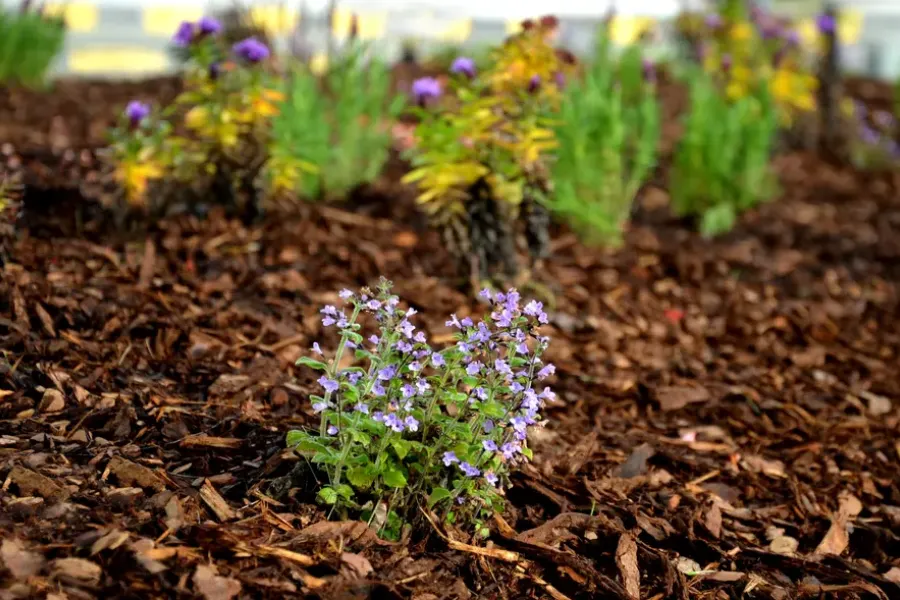
Mulch plays a crucial role in retaining soil moisture during dry spells. When applied correctly, it reduces water evaporation from the soil, ensuring that plants receive a steady supply of moisture. This can be particularly beneficial during droughts, when water resources are limited. Additionally, mulch helps in conserving rainwater, allowing it to penetrate the soil slowly rather than running off.
Temperature Regulation Benefits
One of the essential advantages of mulching is its ability to regulate soil temperature. In summer, mulch keeps the soil cooler by providing shade and reducing heat absorption. Conversely, in winter, it acts as an insulating layer, protecting roots from freezing temperatures. By maintaining a stable environment, mulch supports healthy root development and growth throughout the year.
Preventing Soil Erosion
Heavy rainfall can cause severe soil erosion, washing away vital nutrients and destabilizing plant roots. The application of mulch creates a barrier that minimizes the direct impact of raindrops on the soil surface. This prevents the displacement of topsoil and maintains nutrient availability for plants. A well-mulched garden is less prone to erosion-related damages.
Suppressing Weed Growth
Weeds compete with garden plants for nutrients and water. By blocking sunlight from reaching weed seeds, mulch significantly reduces their germination and growth. This means less competition for your plants and less time spent weeding. Organic mulches like wood chips or straw also gradually decompose, adding organic matter to the soil and further enriching it.
Choosing the Right Type of Mulch
Selecting the appropriate type of mulch depends on your garden’s specific needs. Organic options such as compost, bark chips, or straw break down over time, adding nutrients to the soil. Inorganic choices like gravel or stone don’t decompose but are excellent for long-term use in decorative landscapes. Consider factors like cost, appearance, and longevity when deciding which type suits your garden best.
Proper Application Techniques
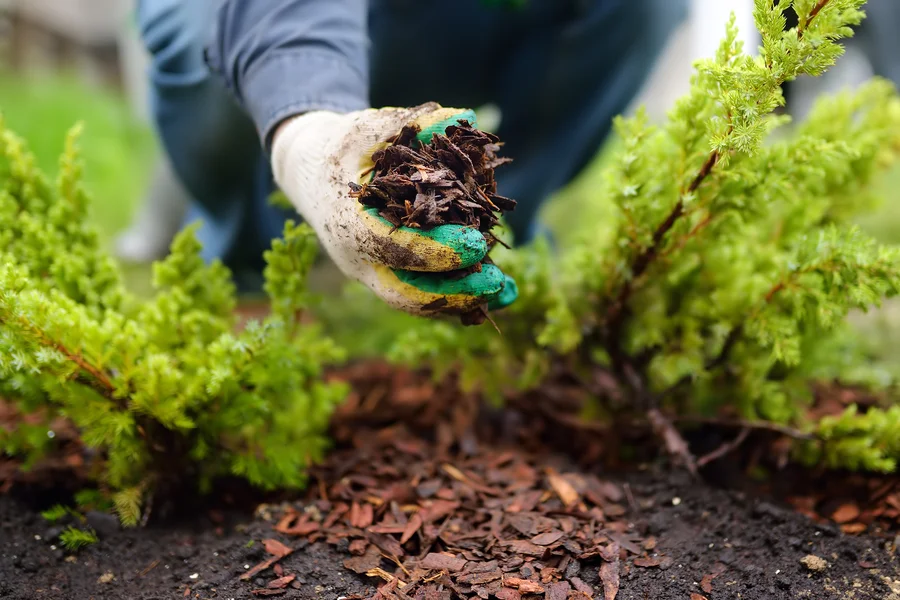
To maximize the benefits of mulching, it’s important to apply it correctly. Aim for a thickness of 2-4 inches for most types. Ensure that mulch is not piled against plant stems or tree trunks to avoid rot. Spread it evenly across the soil surface, leaving room around individual plants to allow air circulation. Following these steps will enhance mulch’s effectiveness in extreme weather conditions.
Concluding Thoughts
By understanding how mulch protects plants during extreme weather conditions, you can take proactive steps to safeguard your garden. For expert advice tailored to Ontario, OR, reach out to Hernestos Lawncare LLC at (541) 709-7671. With personalized guidance, transform your garden into a resilient haven against nature’s challenges.